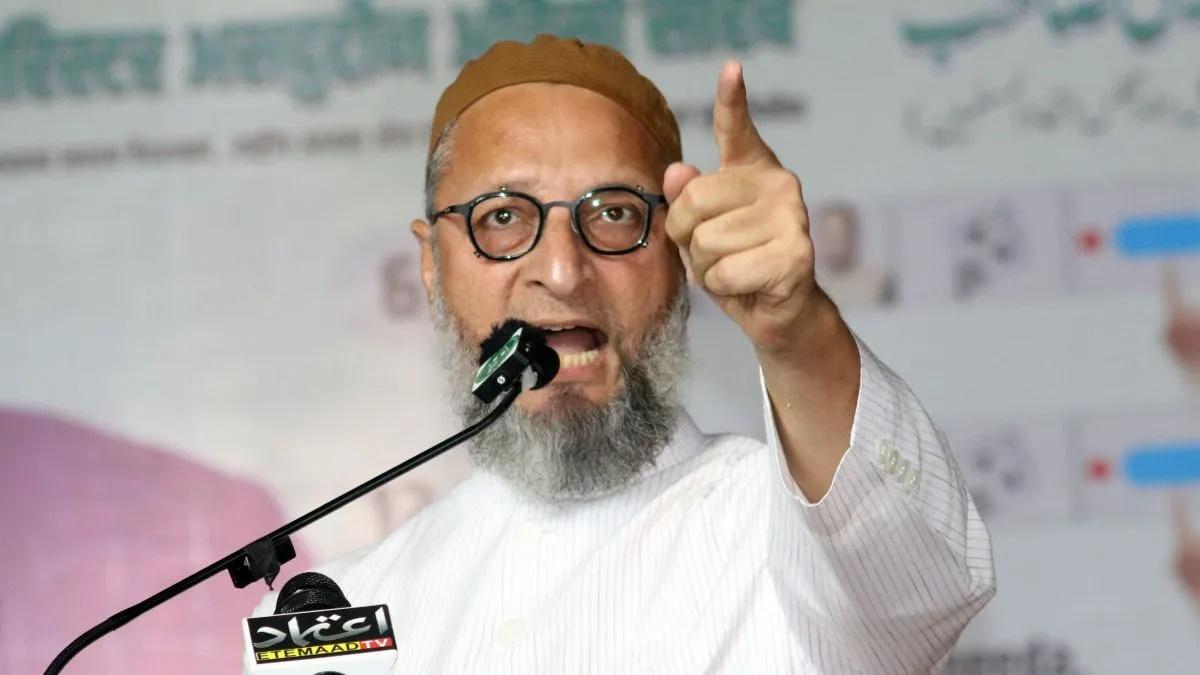
The Special Intensive Revision (SIR) of electoral rolls in Bihar has triggered political unrest, with All India Majlis-e-Ittehadul Muslimeen (AIMIM) chief Asaduddin Owaisi raising serious objections to the process. As Bihar heads towards Assembly elections, Owaisi has criticised the Election Commission of India (ECI) for what he terms a hasty and potentially exclusionary exercise that could disenfranchise large sections of the population, particularly the poor and migrant workers.
Following his visit to the Election Commission’s office on Monday, Owaisi said that the revision exercise—if carried out too quickly—risks stripping people not just of their voting rights but also of access to critical government benefits. His main concern revolves around citizens who lack documentation, including returnee migrant workers and flood-affected individuals who may have lost their identity proofs.
According to Owaisi, the issue isn't with the revision itself but with the manner and speed at which it's being conducted. He questioned the logic behind identifying "infiltrators" now when many of the same individuals voted in the recent Lok Sabha elections. He alleged that the BJP and RSS were attempting to push a narrative of "illegal migrants" to target minority communities under the guise of electoral purification.
AIMIM’s Bihar state president and MLA, Akhtarul Iman, backed Owaisi’s claims and warned that without an extension of the deadline or better groundwork, lakhs of eligible voters might be left out. “People in Bihar, especially in flood-prone regions and remote villages, don’t have complete documentation. Many of them have never held a passport or degree certificate, which makes their identification under this process even more difficult,” he said.
Since June 24, when the ECI launched this first large-scale voter list revision in over two decades, political voices from multiple opposition parties have questioned its urgency and methodology. The Commission claims the exercise is necessary due to rapid urbanisation, internal migration, and under-reporting of deaths. It aims to remove ineligible names like deceased individuals and undocumented immigrants.
However, opposition leaders argue that the revision, being conducted in such a short window, lacks safeguards to protect genuine voters from arbitrary exclusion. Reports have emerged that Booth Level Officers (BLOs) were not provided adequate training or handbooks before being tasked with verifying voter identities—raising concerns about human errors and biases during the door-to-door verification drive.
.jpg)
.jpg)


