
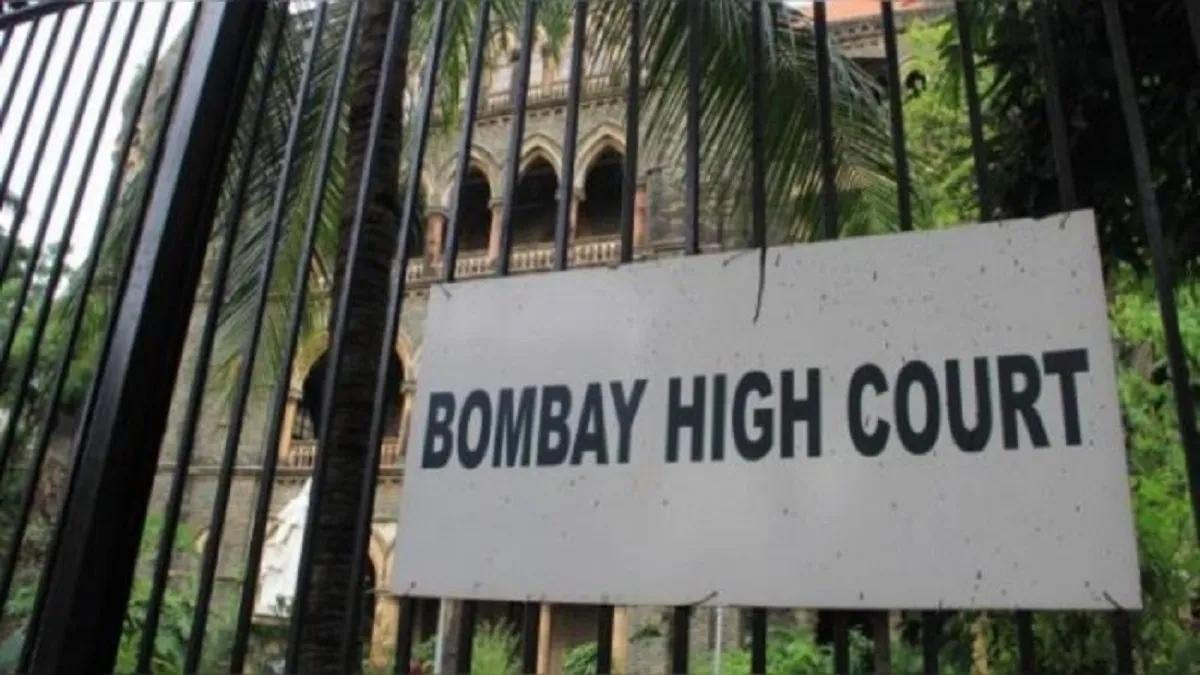
The Bombay High Court has delivered a scathing indictment of the Maharashtra government over the rising number of child deaths due to malnutrition in the tribal belt of Melghat in Amravati district, calling the situation “horrifying” and the state’s handling of it “grossly negligent and insensitive.”
A division bench of Justice Revati Mohite Dere and Justice Sandesh Patil, while hearing a batch of public interest litigations (PILs) on the persistent malnutrition crisis, expressed deep anguish over the government’s continued inaction. The bench highlighted that 65 children below six months of age had lost their lives between June and November 2025 — a tragedy the judges described as “deeply shameful for the state.”
The court noted that despite repeated judicial interventions dating back to 2006, the government’s promises and policies have failed to translate into meaningful results. “For nearly two decades, we have been issuing directions, but there has been no visible improvement. The official reports project progress, but the ground reality narrates a different story,” the bench observed, adding that such complacency reflects how “unserious” the authorities remain about addressing a humanitarian crisis of this scale.
The judges stressed that the issue was not merely about data or bureaucracy but about the fundamental right to life and dignity. “This is not about figures — this is about human existence, empathy, and compassion,” the court remarked, questioning why malnutrition-related deaths continue to occur year after year despite countless assurances and schemes.
In a stern order, the bench directed the Principal Secretaries of the Public Health, Tribal Development, Women and Child Welfare, and Finance Departments to personally appear before the court on November 24. They have also been instructed to submit detailed reports specifying the measures taken to reduce malnutrition and improve healthcare facilities in tribal-dominated regions.
Expressing concern over the acute shortage of doctors and poor infrastructure in Melghat’s remote areas, the court suggested that the government introduce special incentives and higher salaries to attract medical professionals to hardship zones. The judges noted that unless adequate manpower and resources are provided, “the crisis will continue unabated.”
The bench also pulled up the state for lacking a structured mechanism to combat malnutrition. “You have no effective system in place. Accountability must be fixed. This is not merely an administrative challenge, but a matter requiring human sensitivity,” the court told the government.
.jpg)

.jpg)


