A fresh political storm erupted on Friday after the Congress party alleged that two of its tallest leaders — party president Mallikarjun Kharge and Lok Sabha Leader of Opposition Rahul Gandhi — were left out of the official state banquet at Rashtrapati Bhavan organised in honour of Russian President Vladimir Putin’s high-profile visit to India.
According to internal Congress sources, neither Kharge nor Rahul Gandhi received any formal communication or invitation for the dinner hosted by President Droupadi Murmu, prompting sharp disapproval within the organisation. The party has termed the apparent exclusion a deliberate sidelining of the Opposition from a key diplomatic engagement, especially at a time when India-Russia ties are under renewed global attention.
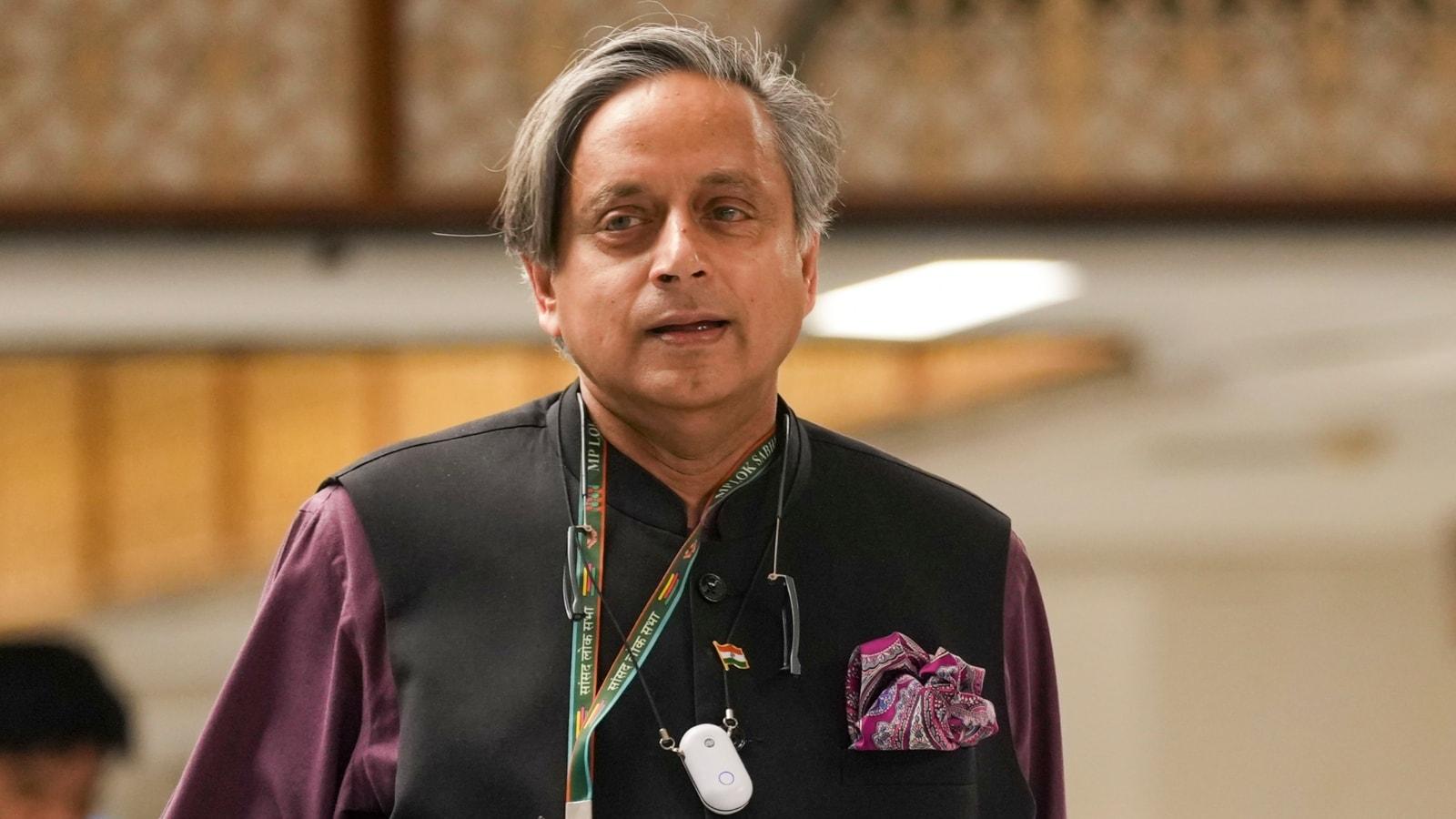
What has added to the debate is that senior Congress MP Shashi Tharoor did receive an invite to the banquet and has confirmed his participation. Tharoor, who heads the Parliamentary Standing Committee on External Affairs, said he felt “honoured” to attend the event but clarified that he had no information about how the government had decided the guest list. “I don’t know on what basis invitations were extended,” he remarked, distancing himself from the controversy.
Party insiders claim the contrasting treatment — excluding the party chief and LoP while including an MP from the same party — raises questions about protocol, fairness, and the government’s approach to engaging the Opposition on critical foreign-policy occasions.
Tharoor’s long association with diplomacy, including his tenure as a former UN Under-Secretary-General, is said to be one of the key reasons behind his inclusion. Over recent months, the Thiruvananthapuram MP has also been actively involved in articulating India’s foreign-policy positions abroad. He recently led a cross-party parliamentary delegation to several world capitals to present India’s stance against Pakistan-sponsored terrorism following “Operation Sindoor”, becoming one of the most prominent voices countering Islamabad’s narrative after the Pahalgam attack.
With the banquet now becoming a subject of political sparring, Congress leaders suggest that excluding the LoP and the party president not only undermines democratic norms but also signals a worrying trend of keeping the Opposition away from major diplomatic events. The government has yet to respond officially to the criticism, but the incident has already ignited a fresh round of questions about transparency and political neutrality in state protocol.
.jpg)
.jpg)


