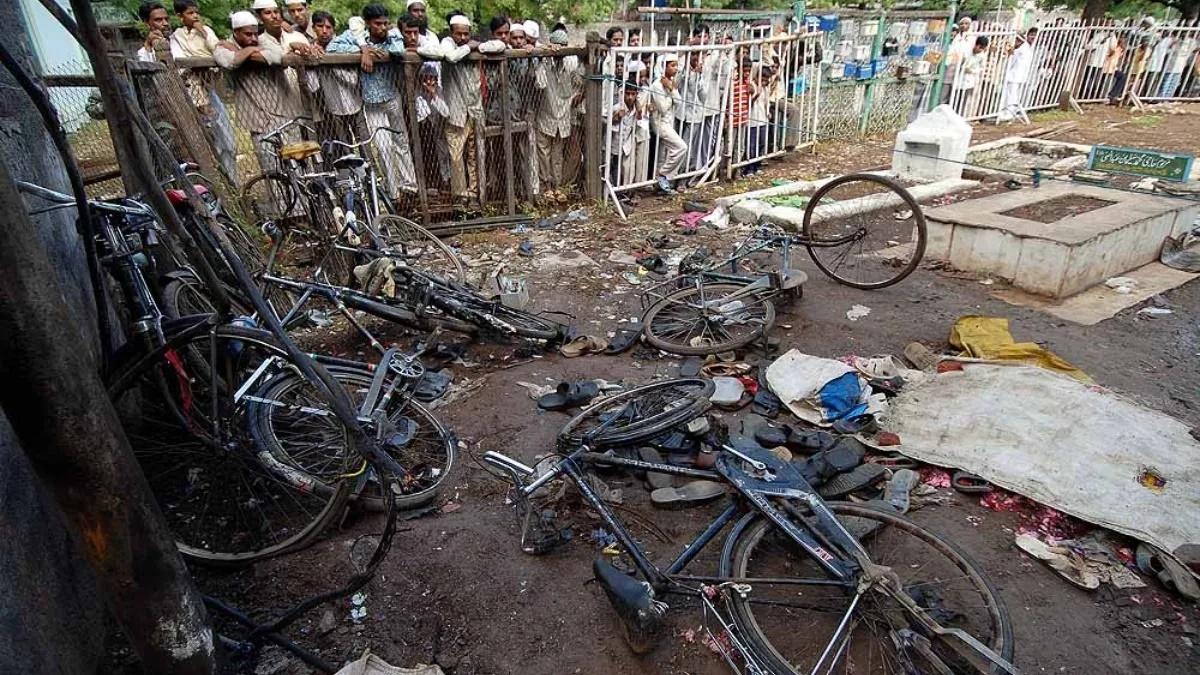
After nearly 17 years of intense investigation, political controversy, and courtroom drama, a special NIA court in Mumbai is expected to deliver its final verdict today (July 31) in the 2008 Malegaon blast case—a case that shook the nation and cast a long shadow over India’s communal harmony and legal system.
The tragic incident occurred on the evening of September 29, 2008, when a motorcycle rigged with explosives detonated near a mosque in the communally sensitive town of Malegaon, located around 200 kilometers from Mumbai. The blast killed six people and left over 100 injured, many of them severely. The timing of the attack—during Ramzan and just before Navratri—fueled suspicions that it was aimed at instilling fear in the Muslim community.
The National Investigation Agency (NIA), which took over the case in 2011, claimed that the bombing was a deliberate act of terror aimed at dividing communities and stoking religious hatred. The agency has pressed for strict and commensurate punishment for the accused, citing their intent and the loss of innocent lives.
The Accused: A Politically Charged Lineup
Seven individuals face judgment today in what has been one of the most politically sensitive terror cases in India:
-
Pragya Singh Thakur – Former BJP MP and key accused
-
Lt Col Prasad Purohit – Indian Army officer
-
Major (Retd) Ramesh Upadhyay
-
Ajay Rahirkar
-
Sudhakar Dwivedi
-
Sudhakar Chaturvedi
-
Sameer Kulkarni
All the accused have been charged under the Unlawful Activities (Prevention) Act (UAPA) and sections of the Indian Penal Code (IPC) including murder (302), attempt to murder (307), criminal conspiracy (120B), and promoting enmity between religious groups (153A).
A Trial Marked by Twists
The trial formally began in 2018, more than a decade after the blast. Over the years, the prosecution presented 323 witnesses, but the case faced a setback when 37 of them turned hostile—raising questions about the integrity of the witness protection system and political interference.
The initial probe was conducted by the Maharashtra Anti-Terrorism Squad (ATS), but the case was handed over to the NIA in a controversial move that critics argued politicized the investigation.