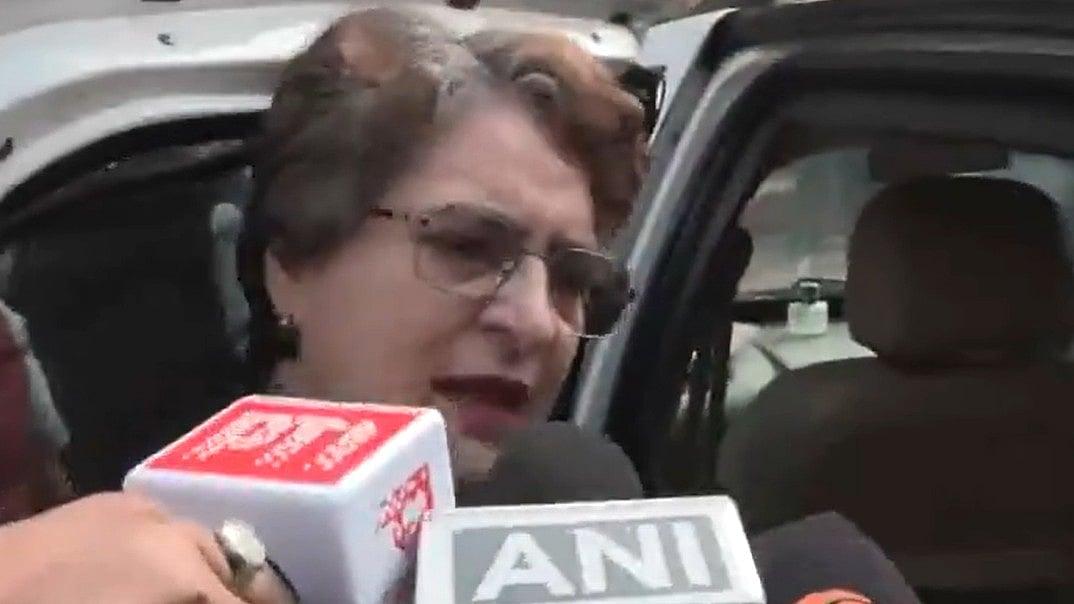
The Winter Session of Parliament concluded with both Houses adjourned indefinitely, but a crucial discussion on Delhi’s escalating air pollution failed to take place, triggering sharp reactions from Opposition leaders amid deteriorating air quality in the national capital.
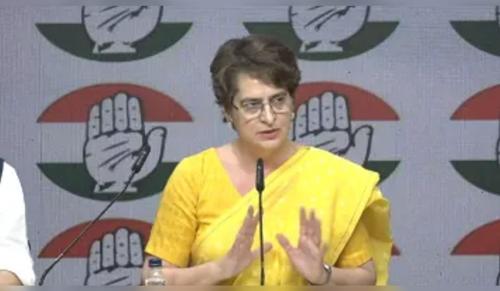
Congress MP Priyanka Gandhi Vadra voiced disappointment over the missed debate, saying that air pollution directly affects millions and deserved urgent parliamentary attention. She said she has formally requested that the issue be taken up in the next session, stressing that public health concerns should rise above political differences.
The 19-day session, which began on December 1, saw the passage of several key legislations, including contentious reforms related to rural employment. However, proceedings were repeatedly disrupted, and the scheduled discussion on air pollution—earlier agreed upon after demands from the Opposition—could not be held due to sustained protests and disorder in both Lok Sabha and Rajya Sabha.
Meanwhile, Delhi continued to reel under hazardous air conditions. According to data from pollution monitoring agencies, the city’s average Air Quality Index slipped deeper into the “very poor” category, with multiple hotspots recording “severe” pollution levels. Thick smog blanketed large parts of the city, significantly reducing visibility and increasing health risks, especially for children, the elderly, and those with respiratory ailments.