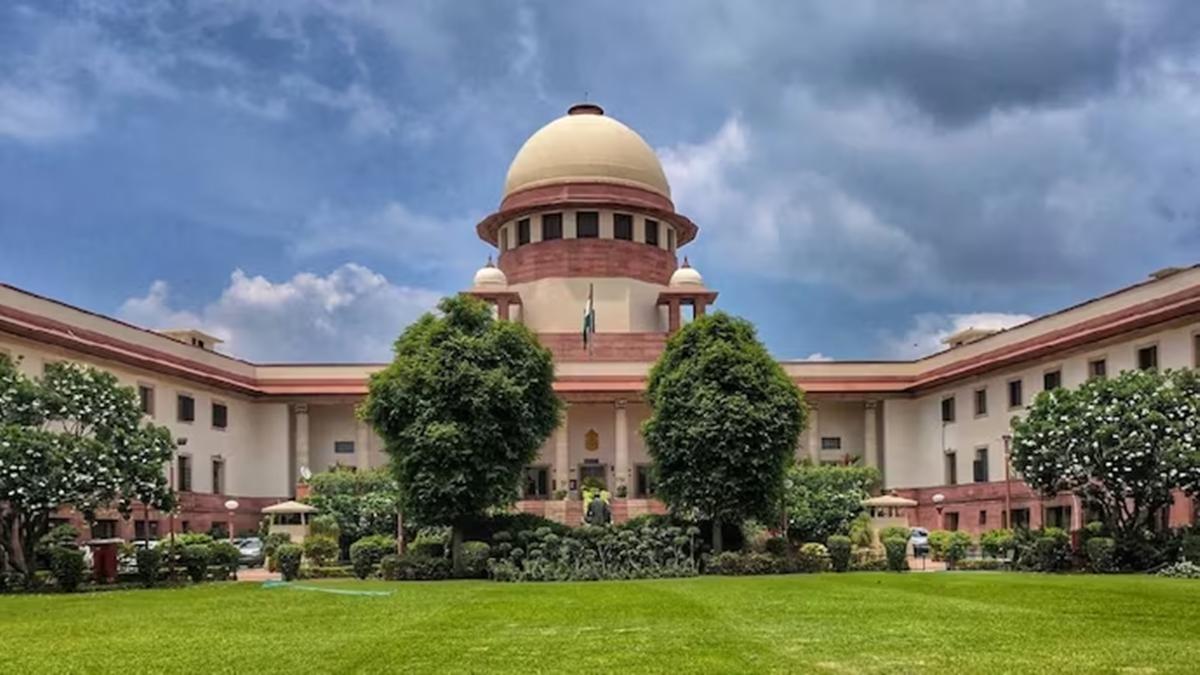
The Supreme Court on Monday indicated that the time may have come to decriminalise defamation, marking a potential shift from its 2016 judgment that upheld criminal defamation laws. The 2016 verdict had recognised the right to reputation as part of the fundamental right to life and dignity under Article 21 of the Constitution.
In 2016, the apex court had upheld Section 499 of the Indian Penal Code (IPC), which has since been replaced by Section 356 of the Bharatiya Nyaya Sanhita, following updates to India’s legal framework. Defamation continues to remain a criminal offence under the new provision.
The Supreme Court’s observations came while hearing a plea challenging a summons issued to online publication The Wire in a criminal defamation case filed by a Jawaharlal Nehru University (JNU) professor. The summons had been issued by a magistrate and later upheld by the Delhi High Court.
The defamation case relates to a 2016 news article by The Wire that alleged the professor’s involvement in compiling a controversial 200-page dossier titled “Jawaharlal Nehru University: The Den of Secessionism and Terrorism”, which described JNU as a “den of organised sex racket.”
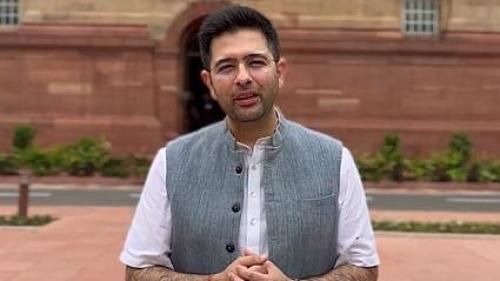
During Monday’s hearing, Justice MM Sundresh remarked that the time had come to reconsider criminal defamation, suggesting the law might require reform. Senior Advocate Kapil Sibal, representing The Wire, supported the Court’s observation, emphasising the need to modernise the law.
While the Subramanian Swamy vs Union of India case in 2016 had upheld the constitutionality of criminal defamation as a reasonable restriction on freedom of speech under Article 19.
.jpg)

.jpg)


