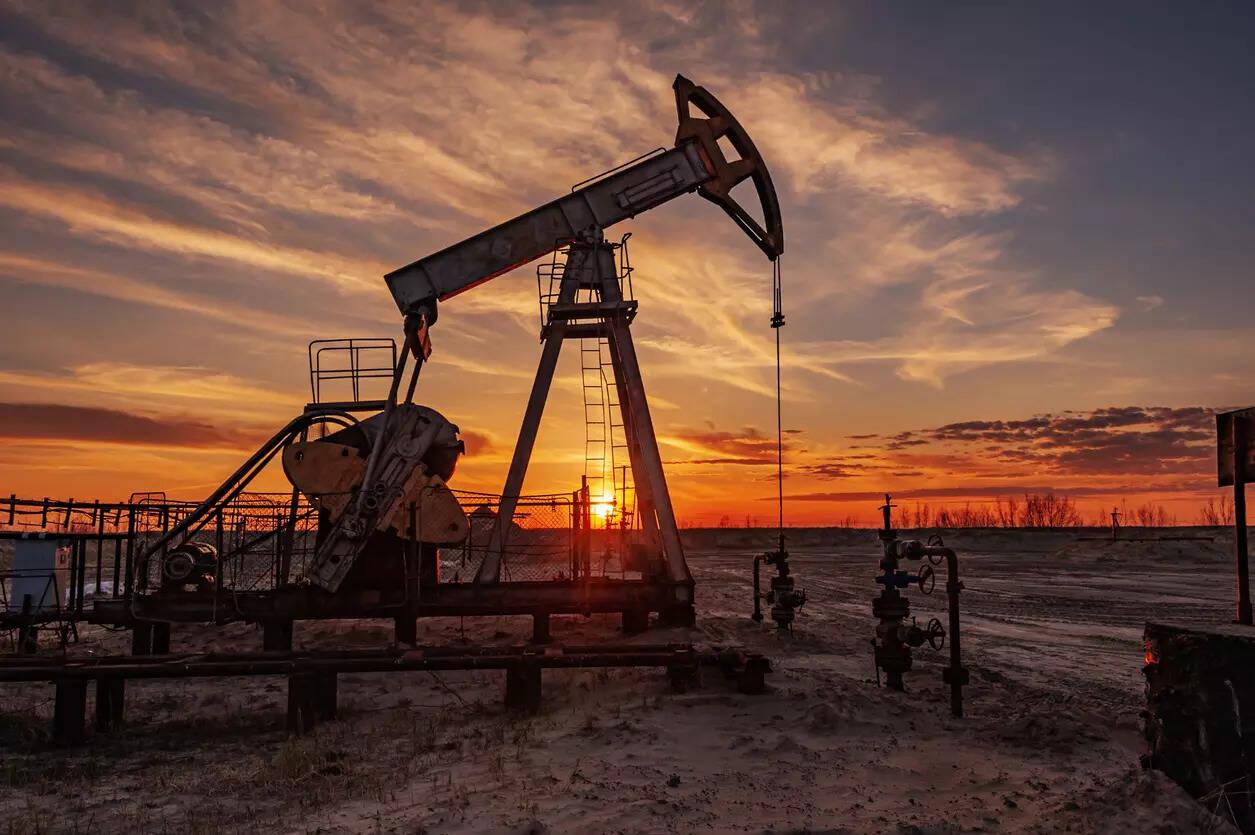
The recent claim by US President Donald Trump that Prime Minister Narendra Modi has agreed to a complete halt of Russian oil imports has sparked intense debate in policy and energy circles. The statement came soon after India and the United States concluded a major trade agreement that reduced reciprocal tariffs on Indian goods to 18 per cent. While Washington has projected this as a strategic move aimed at cutting Moscow’s energy revenue, India’s economic and industrial realities suggest that an immediate break from Russian crude is neither practical nor feasible.
One of the biggest obstacles is the existing supply chain. As reported by The Economic Times, Indian oil companies have already finalised crude cargoes for February 2026, with deliveries scheduled for March. These shipments are governed by binding commercial contracts. Cancelling them would not only disrupt supplies but also expose Indian firms to heavy financial penalties. This means a transition away from Russian oil, even if decided politically, would require a gradual wind-down period rather than an abrupt stop.
Beyond logistics, the issue runs deeper into refinery infrastructure. Indian refineries have been optimised over time to process medium-sour crude grades, a category in which Russian oil fits well. Switching suddenly to alternatives such as American light-sweet crude is technically complex and economically inefficient. According to Bloomberg, while Indian refiners can diversify their sources, Russian oil has become a “mainstay” due to its compatibility with existing systems and cost advantages.
Energy security is another critical factor. India imports nearly 90 per cent of its crude oil requirements, making price stability a national priority. Discounted Russian oil has acted as a buffer against global price shocks and inflationary pressures. Officials have repeatedly stated that sourcing around 35 per cent of oil from Russia is aimed at protecting Indian consumers during volatile global energy cycles.
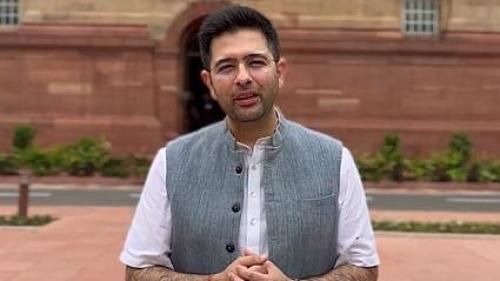
Diplomatically too, New Delhi has maintained a careful tone. While President Trump suggested India would instead buy more oil from the US and potentially Venezuela, Prime Minister Modi’s public statement focused solely on tariff reductions benefiting “1.4 billion Indians,” without mentioning any commitment to stop Russian oil purchases. Analysts cited by the Financial Times note that India is unlikely to fully sever energy ties with Moscow, given decades of strategic cooperation and current economic constraints.
.jpg)
.jpg)


