
Highway travel across India is set for a major transformation, with the Centre planning to roll out an advanced, barrier-less tolling system that promises to end long queues at toll plazas. The nationwide implementation of the Multi-Lane Free Flow (MLFF) tolling system, backed by artificial intelligence, is expected to be completed by the end of 2026, Parliament was informed on Wednesday.
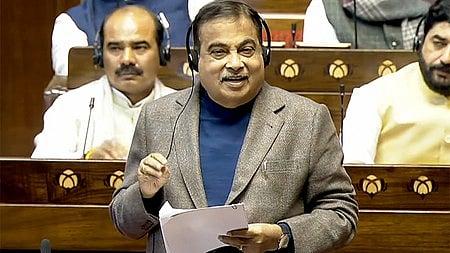
Responding to questions in the Rajya Sabha, Union Road Transport and Highways Minister Nitin Gadkari said the new system aims to bring toll waiting time down to “zero minutes.” According to the minister, MLFF will allow vehicles to pass through toll points at speeds of up to 80 km per hour without stopping or slowing down.
Unlike conventional toll booths, the MLFF system will rely on a combination of AI-enabled number plate recognition, satellite-based tracking and FASTag-linked digital infrastructure to automatically identify vehicles and deduct toll charges. This means commuters will no longer need to halt at toll plazas, significantly cutting travel time on national highways.
Gadkari told the House that the government has set a firm target to implement the MLFF framework across all national highways by 2026. He said the initiative would not only ensure smoother traffic movement but also plug revenue leakages and improve overall efficiency in toll collection.
Highlighting the benefits, the minister said the shift to AI-driven tolling would help save fuel, reduce congestion and contribute to higher government revenue. He noted that the introduction of FASTag had already reduced average toll waiting time from several minutes to under a minute, while also boosting toll income by around Rs 5,000 crore.
“With MLFF, vehicles will not be stopped at toll plazas at all. Cars will be able to cross at speeds of up to 80 km per hour. This is the next big leap after FASTag,” Gadkari said during the discussion.

.jpg)

.jpg)


